Deconstructing the Chronos Output Grid: A New Paradigm for Workflow Synchronization
The pursuit of operational efficiency has long been a linear equation. The Chronos system, developed by Peak-Sync Performance Lab, introduces a fundamental shift: a multi-dimensional output grid. This is not merely an advanced calendar; it's a real-time, high-resolution mapping of task energy, cognitive load, and resource flow across a hybrid organizational structure.
Beyond Linear Scheduling
Traditional project management tools operate on a timeline—a single axis of time. The Chronos output grid adds two critical dimensions: cognitive intensity and collaborative dependency. By tracking these variables through embedded sensor arrays and self-reported telemetry, the system creates a dynamic, three-dimensional model of workflow.
Imagine a software development team. A code review task might be low in collaborative dependency but high in cognitive intensity for the reviewer. Simultaneously, a planning session might be high in collaboration but lower in individual cognitive strain. The output grid visualizes these concurrent states, allowing for adaptive resource allocation that prevents bottlenecking and context-switching fatigue.

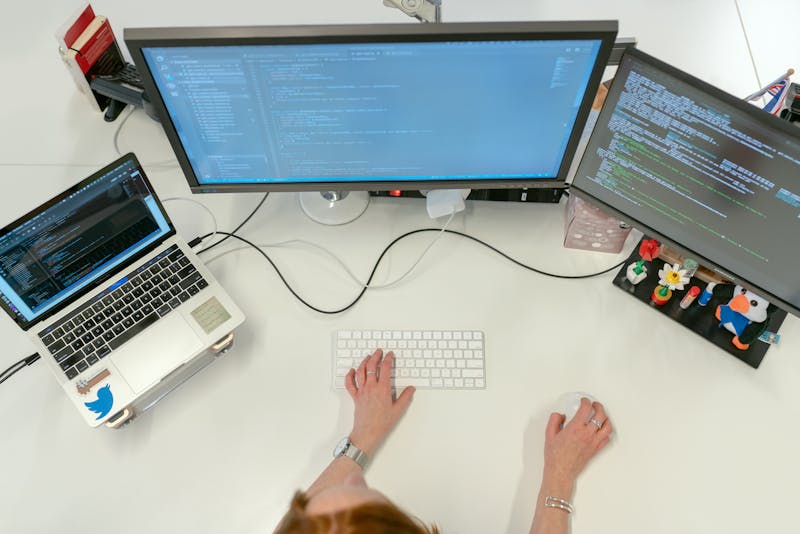
Visualizing workflow dependencies in a synchronized performance matrix.
The Mechanics of Throughput Modeling
At the core of the system is localized throughput modeling. Instead of measuring gross output, Chronos models the "flow rate" of discrete work units through individual and team-based nodes. This granular approach identifies micro-inefficiencies—those moments of friction that traditional metrics miss.
- Focus Clarity Index: Derived from anonymized biometric data (e.g., workstation interaction patterns), this metric helps schedule deep-focus tasks during an individual's predicted high-clarity windows.
- Structural Resilience Scoring: The system continuously assesses how workflow disruptions (e.g., an urgent request) propagate through the grid. It can then suggest minor task-priority adjustments to absorb the shock without collapsing the system.
- Sustainable Momentum: The primary goal shifts from maximizing raw output to maintaining a consistent, high-quality throughput. The grid flags periods of erratic output that often precede burnout and suggests rebalancing the cognitive load.
Implementation in High-Stakes Environments
Our initial deployment focused on financial analysis and R&D project teams—environments where the cost of error and context loss is exceptionally high. The synchronized performance matrix provided not just visibility but actionable foresight.
For example, by analyzing the output grid, a team lead could pre-emptively allocate additional review resources to a complex analysis task that was showing early signs of cognitive saturation, thereby preserving accuracy and timeline integrity. This is the essence of temporal optimization: using time not just as a container for work, but as a dynamic, malleable resource to be sculpted for peak synchronous performance.
The Chronos system represents a move from managing tasks to orchestrating cognitive and collaborative energy. It's the physics of work, rendered visible and manageable. The future of productivity isn't about doing more things faster; it's about doing the right things, with the right focus, at the right moment in the synchronized flow of the team.